

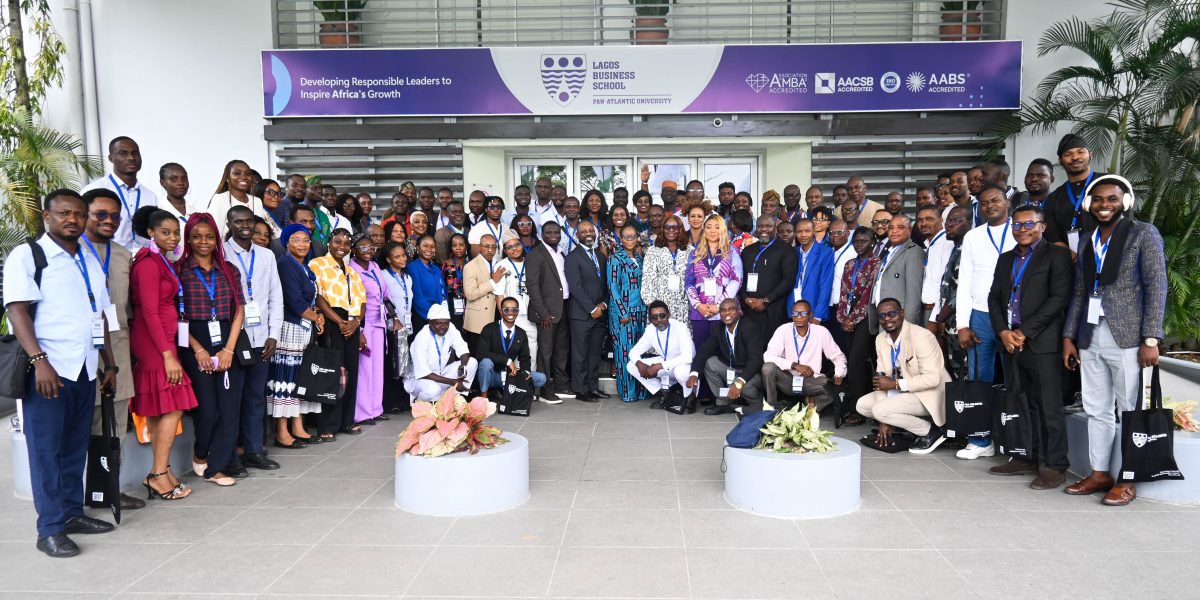
Senior media professionals, journalists, and academics gathered at Lagos Business School for PAU Media Roundtable. Organised in partnership with the Centre for Journalism Innovation and Development (CJID), the event examined the theme “Beyond the Byline: Monetising Journalism in the Age of Artificial Intelligence.”
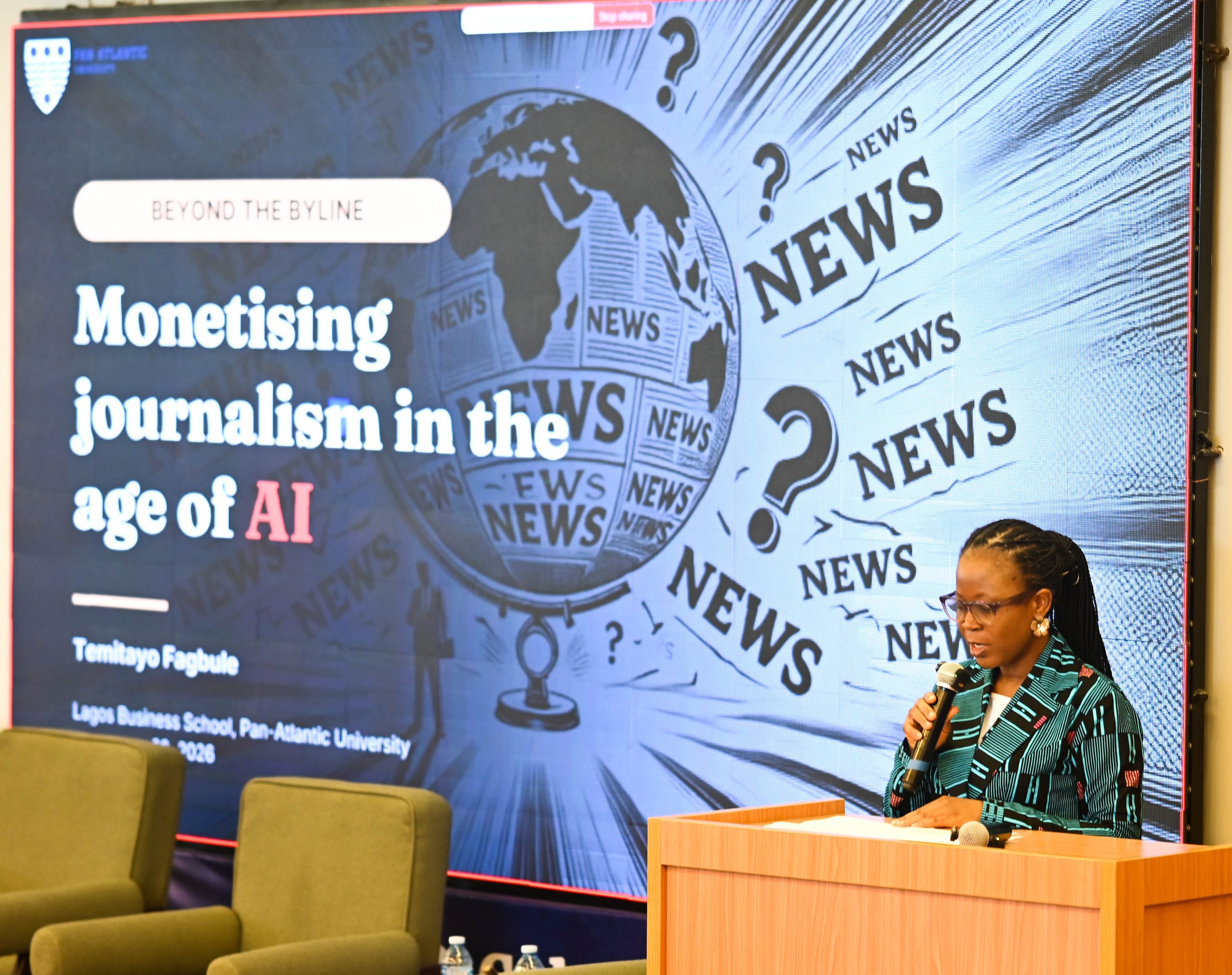
In her opening remarks, Temitope Falade, Head of Brands, Communications and Marketing at PAU, described the theme as timely. She noted that traditional advertising revenues are declining, audiences are shifting to digital platforms, and media organisations now compete with technology companies and influencers for attention. While these pressures are significant, she emphasised that they also create opportunities to develop new products, reach specialised audiences, and build stronger communities, provided credibility and public trust are protected.
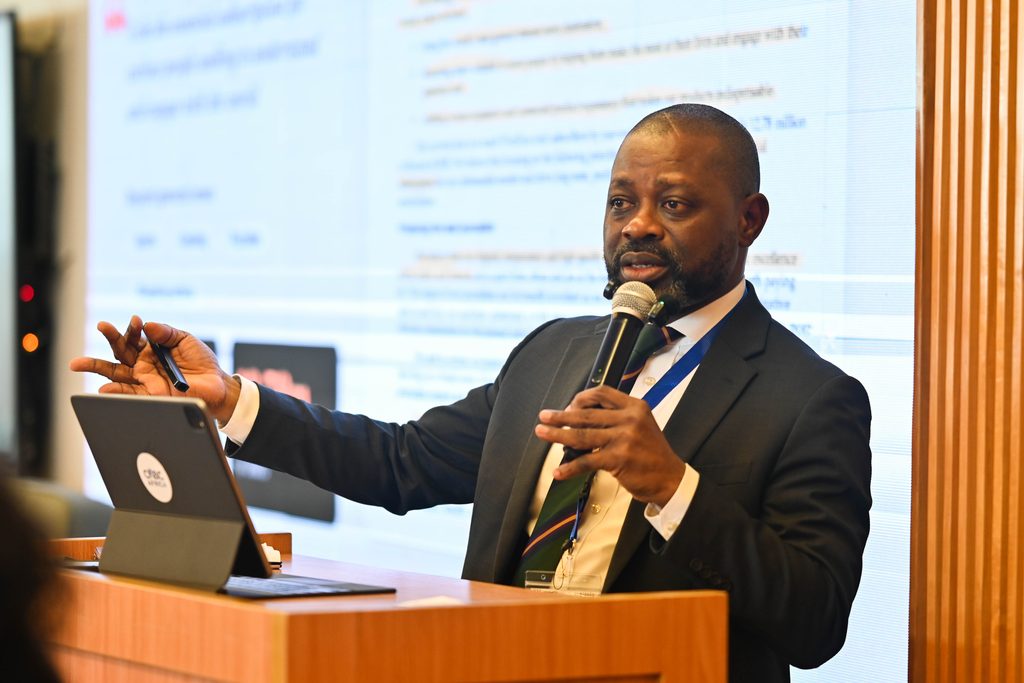
Keynote speaker Temitayo Fagbule, Bureau Chief for West Africa at CNBC Africa, examined the changing economics of news. He observed that newspapers historically earned most of their revenue from advertising rather than from news itself. Today, platforms and AI tools have further disrupted this model. Fagbule urged media organisations to focus on what artificial intelligence cannot easily replicate: original human experiences, distinctive storytelling, and content that delivers clear value to audiences.
A presentation by Yahya Muzzamil Oreoluwa, Software Engineer at the Centre for Journalism Innovation and Development (CJID), highlighted practical tools developed to support newsrooms in the age of AI. He noted that while artificial intelligence presents challenges, it also offers opportunities that media organisations can leverage. CJID demonstrated the Dubawa Chatbot, which enables journalists and the public to verify claims and track trending information, including potential misinformation, before it spreads widely. The organisation also offered a free fact-check widget that newsrooms can easily embed on their websites, allowing users to verify or report claims directly. Other tools showcased included Know Your Leader, which tracks statements by political figures over time; Udo Africa, a data dashboard for monitoring government projects and promoting accountability; and the Press Attack Tracker, which documents attacks on journalists. Oreoluwa explained that these AI-powered tools are designed to reduce redundant work, support verification, and help lower production costs for newsrooms.
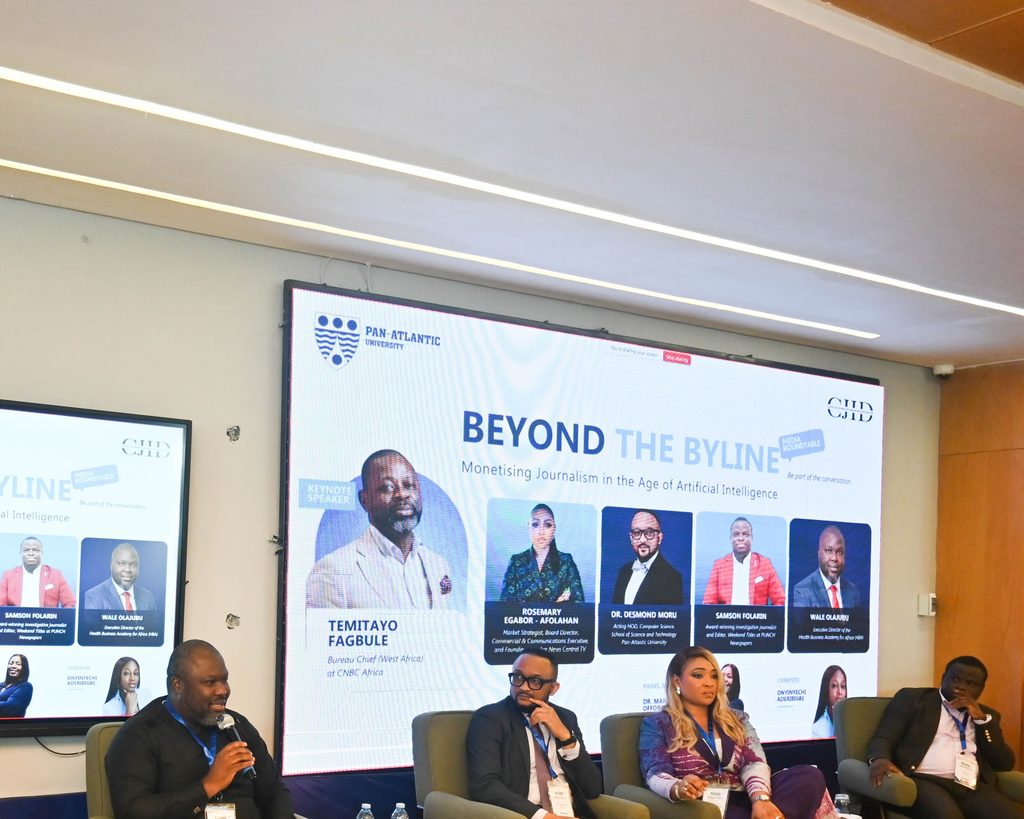
The panel discussion, moderated by Dr. Agada-Mba, brought together diverse expertise. Samson Folarin, Editor of Weekend Titles at Punch Newspapers, argued that newsrooms cannot compete with AI on speed or volume. Trust, he said, remains journalism’s most important currency. He pointed to in-depth investigative work as the kind of human experience no algorithm can reproduce, and encouraged newsroom leaders to become AI-literate so routine tasks can be automated. Wale Olajubu, Executive Director of the Health Business Academy for Africa, stressed the need for seamless digital payment systems to monetise audiences effectively. Rosemary Egabor-Afolahan of News Central TV emphasised strong brand positioning and commercial strategy, while Dr. Desmond Moru of Pan-Atlantic University outlined practical ways newsrooms can adopt AI tools without losing editorial control.
The Roundtable reinforced a clear message: while artificial intelligence poses serious challenges to traditional media business models, it also opens pathways for innovation and sustainability, if media leaders remain committed to trust, quality, and viable commercial strategies.