

Sustainability at
Pan-Atlantic University
Sustainability is embedded in our teaching, research, operations, enterprise development and community engagement. Through innovative programmes, responsible resource management, and strategic partnerships, we are contributing to sustainable development in Nigeria and across Africa.
Impact at a Glance
100%
Clean Energy Transition
Gas-powered energy generation with zero diesel consumption.
636 KWp
Solar Energy Capacity
Existing and newly deployed solar installations across campus.
125,095 Litres
Free Drinking Water Distributed
Providing safe drinking water for staff, students, and visitors.
500+
Conference Participants
Leaders, academics, policymakers and practitioners engaged through sustainability programmes and conferences.
Our Approach to Sustainability
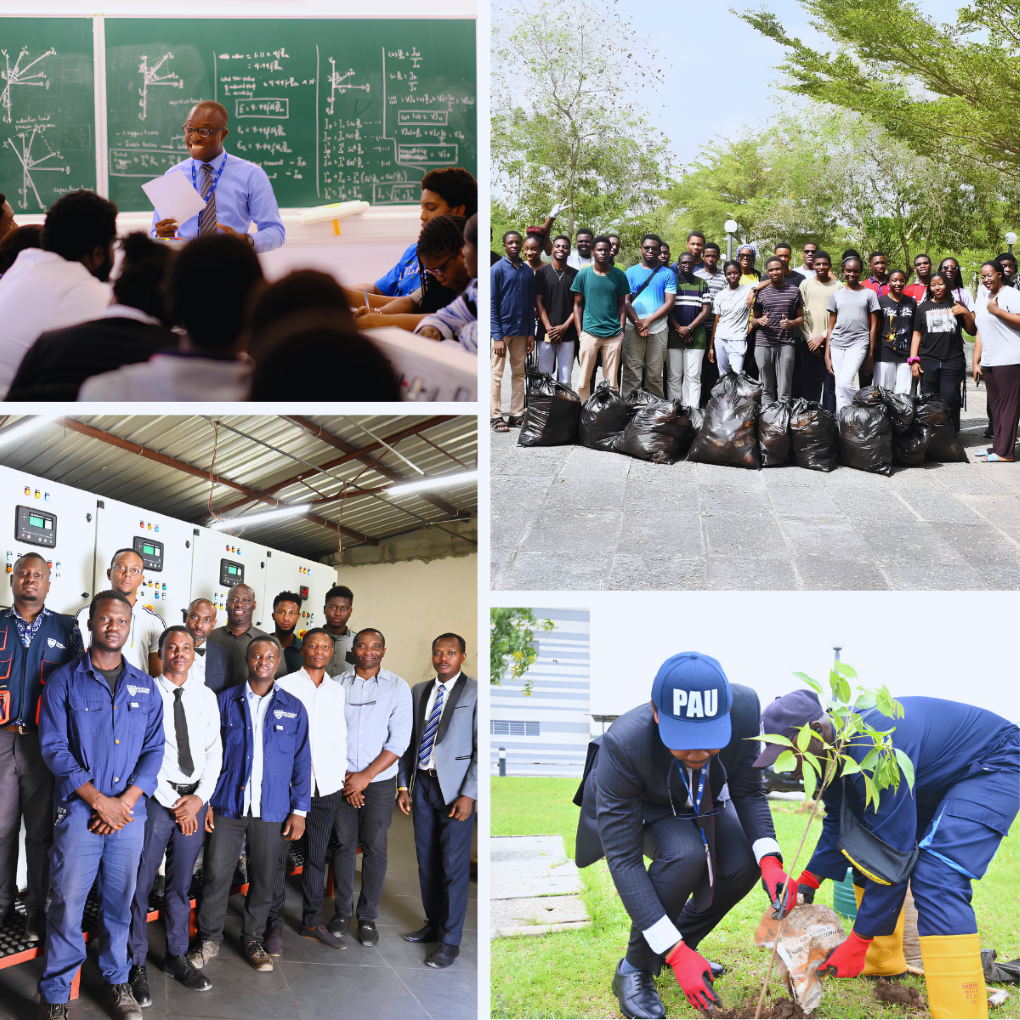
Sustainability at PAU is embedded in how we teach, power our campus, engage our community, and shape future leaders.

HOW WE POWER
We are committed to reducing our environmental footprint through cleaner energy sources and renewable energy investments across campus.

HOW WE OPERATE
We embed sustainability into our daily operations fostering a greener and more resilient campus environment.

HOW WE TEACH
We integrate sustainability into our academic curriculum, equipping students with the knowledge and practical skills required to address real-world environmental challenges.

HOW WE INFLUENCE
We extend our impact beyond campus through executive education, research, strategic partnerships and thought leadership.
Sustainability in Teaching
We integrate sustainability into our academic curriculum, equipping students particularly within engineering with the knowledge and practical skills required to address real-world environmental and energy challenges.
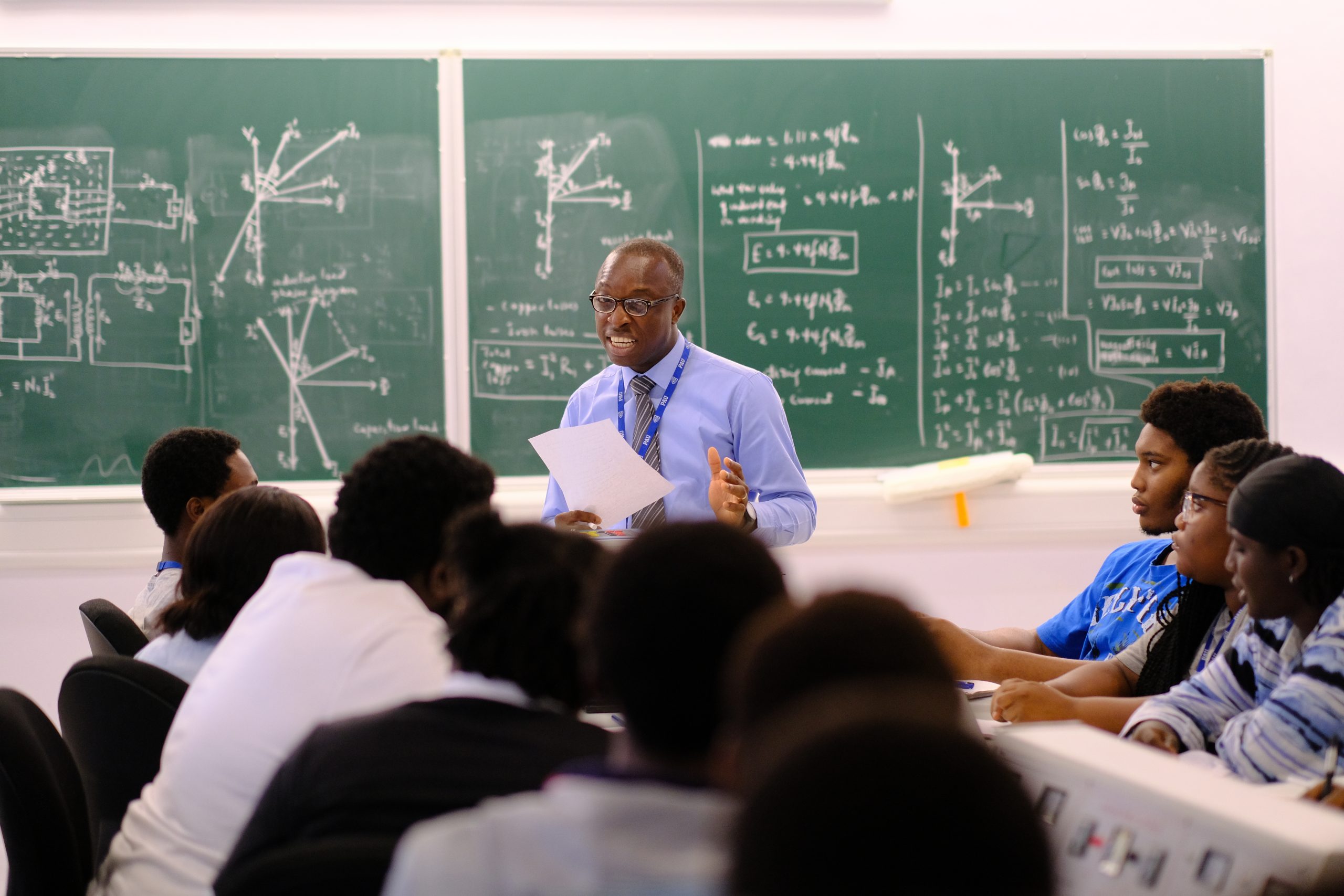
The course explores current and future energy systems in Nigeria and globally, including fossil, nuclear, and renewable energy sources such as solar, wind, hydro, and biomass.
It covers energy conversion, storage, transmission, and conservation, while analysing energy systems within engineering, economic, and social contexts. Emphasis is placed on sustainability and the role of renewable energy in achieving long-term development goals.
• Measurement of solar radiation and wind energy
• Biogas production and energy analysis
• Conversion of solar energy to electricity
• Biodiesel production from edible oils
• Simulation of geothermal energy systems
• Energy storage techniques and hybrid renewable systems
- Understanding Renewable Energy: At the end of the course, students should be able to identify types, uses, and advantages of renewable energy in addressing climate change.
- System Design Skills: At the end of the course, students should be able to design and apply renewable energy systems across different contexts.
- Energy Systems Analysis: At the end of the course, students should be able to evaluate Nigeria’s energy systems and global supply-demand dynamics
- Sustainability Awareness: At the end of the course, students should be able to assess environmental impacts and support sustainable energy development.
- Energy Resource Knowledge: At the end of the course, students should understand fossil fuels and emerging renewable alternatives for future energy needs.
GET 306: Renewable Energy Systems and Technology
A core engineering course focused on sustainable energy systems, climate impact, and practical renewable solutions.
Our Facilities
Waste Differentiation Initiative
In October 2025, the Facilities Unit deployed 10 differentiated waste stations across campus to encourage proper waste segregation and improve recycling efforts. The University plans to install 15 additional stations before the end of the first half of the year.
♻️ SDG 12 • Responsible Consumption & Production
Free Drinking Water Programme
The Facilities Unit continues to provide free drinking water for staff, students and guests across campus. During the reporting period, approximately 5,250 bottles, equivalent to 125,095 litres, were distributed, promoting hydration while helping to reduce single-use plastic waste.
💧 SDG 6 • Clean Water & Sanitation❤️ SDG 3 • Good Health & Well-being
Our Maintenance
Reduction of Carbon Footprint through Transition Energy Sources
Between September 2025 and February 2026, the University completed its transition to 100% gas-powered electricity generation, increasing the share of gas from 96% to 100%. This achievement eliminated diesel use for power generation during the reporting period, significantly reducing the University’s carbon footprint.
Reduction of Carbon Footprint through Renewable Energy
The University expanded its renewable energy infrastructure with a new 75KWp solar power system and a 20KWh Battery Storage System at the SST facility. Combined with the existing 561KWp solar plant at the Lekki campus, this brings installed solar capacity to approximately 636KWp.
Our Security
In January 2026, the Security unit fully serviced all firefighting equipment and conducted training along with safety awareness sessions to strengthen emergency preparedness across the campus.
The Security unit sustained active partnerships with key security agencies, including the Nigeria Police, Federal Road Safety Commission, Fire Services, Department of State Services (DSS), and Commanders of nearby Nigeria Military Bases. On 9th December 2025, engagements were held through information sharing, consultation, and collaboration aimed at fostering cordial relationships and building networks for rapid response.
In January 2026, new work tools such as body cameras, patrol guard clocking systems, and radio accessories were procured to improve daily operational efficiency and ensure safety on campus.
Additional security guards were recruited frequently to enhance physical presence across the campus, thereby ensuring the safety and well-being of all community members.
Routine and periodic training of key stakeholders is maintained frequently to ensure readiness for effective emergency response.
The Security unit upholds a daily reporting mechanism on the status of CCTV cameras and campus lighting. This reporting is crucial for overall campus well-being and enables stakeholders to take quick remedial action when necessary.
Horticulture
Farm-to-Table Initiative
The Horticulture Unit supplies 5% of vegetables used in the university cafeteria, ensuring fresh, locally grown produce while promoting sustainable food systems on campus.
Tree Planting
Between May and August 2026, additional trees were planted across campus to improve greenery, provide shade, and enhance environmental quality.
Organic Waste Recycling
Yam and plantain peels are repurposed as organic manure, reducing waste while naturally enriching soil fertility.
Sustainable Landscaping
The unit maintains lawns and green areas using responsible practices, promoting eco-friendly horticulture across the campus.