

Pan-Atlantic University continues to advance its commitment to responsible energy use through a structured, campus-wide plan aimed at reducing overall electricity consumption and transitioning to cleaner, more sustainable energy sources. In 2024, the University launched a targeted initiative to reduce per capita electricity use by 5% by the fourth quarter, marking a major step in its long-term sustainability agenda.
To support this goal, electricity consumption has been monitored monthly and quarterly, using year-on-year comparisons to guide decisions and measure progress. These efforts have already produced impressive results. By the end of the first quarter, the University recorded a 14.06% decrease in per capita electricity consumption. The second quarter saw an even more significant improvement, with a 28.12% reduction. Overall, the University achieved a 15.37% reduction in energy use, far surpassing the initial target.
This progress has been driven by several strategic actions, including optimized operational hours, strengthened energy-saving practices, and a more efficient distribution of energy due to increased campus activity. The strong performance in the second quarter demonstrates the impact of coordinated planning, continuous monitoring, and collective responsibility.
Alongside reducing electricity consumption, the University also intensified its efforts to cut carbon emissions by shifting to cleaner energy sources. In 2024, PAU aimed to increase the proportion of electricity generated from natural gas from 61% to 85% by the fourth quarter and to achieve at least 7% solar energy generation by the third quarter. By year-end, 83% of the University’s power came from its natural gas plant, resulting in a 22% reduction in diesel usage compared to the 2023 baseline. Although the solar installation is still under development, work is actively progressing.
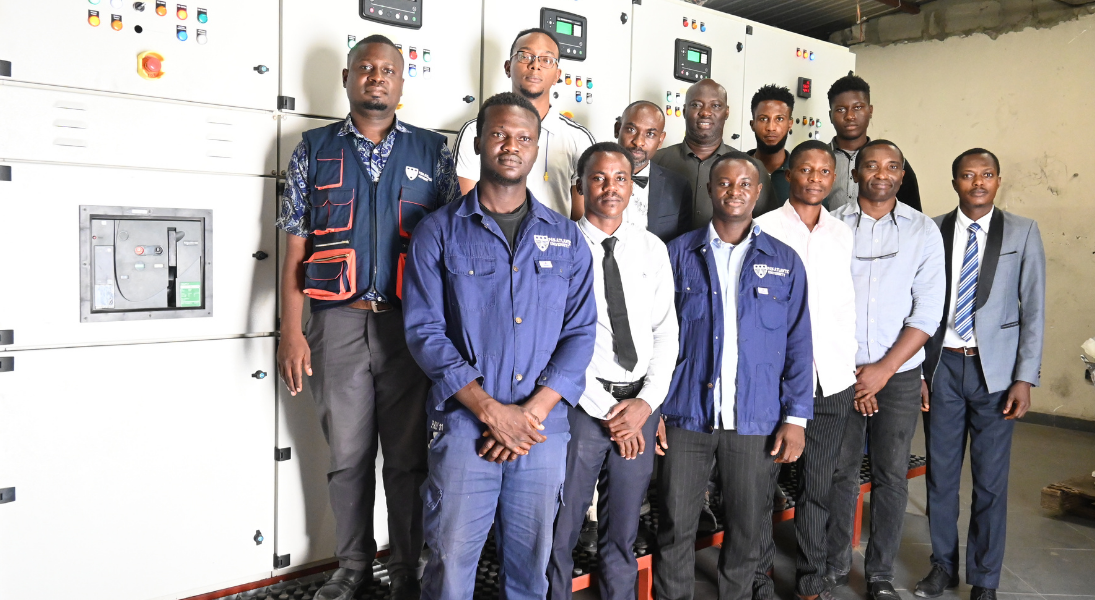
These gains were made possible through key upgrades to the natural gas power plant, including improved system efficiency and the deployment of a synchronization panel to enhance power evacuation and distribution. The University is also collaborating with the School of Science and Technology to explore renewable alternatives, such as generating biogas from human and kitchen waste.
Together, these achievements reflect a clear and steady progression toward a more energy-efficient, low-carbon campus. Pan-Atlantic University remains committed to expanding these efforts, demonstrating how thoughtful planning and innovation can drive meaningful environmental change.