
As Pan-Atlantic University continues to strengthen its commitment to accessibility, equity, and student well-being, inclusion remains a shared institutional responsibility across academic and campus life.
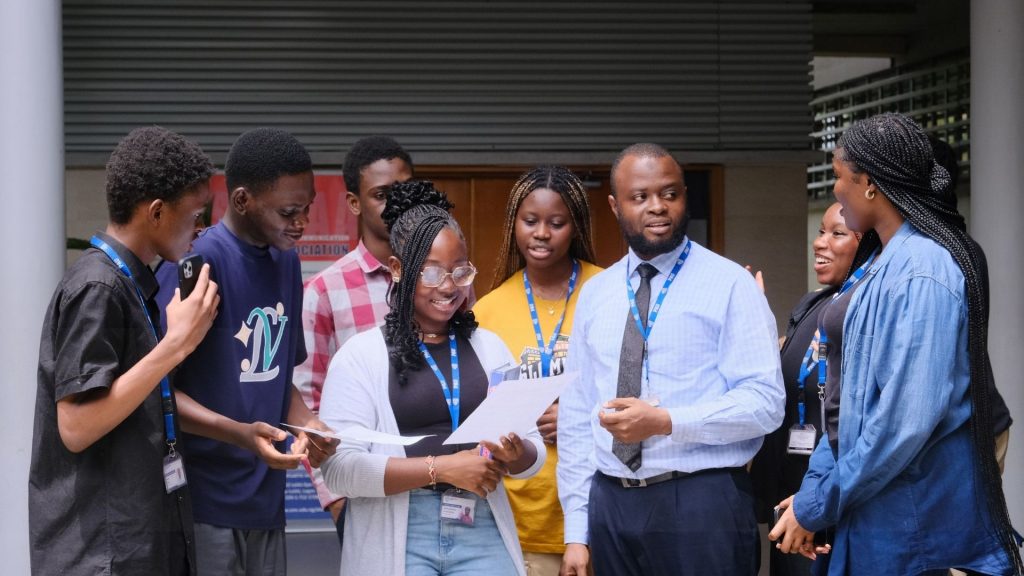
Earlier this year, the Office of Gender, Equity, Diversity, and Inclusion (GEDI) within Student Affairs hosted a sensitisation session titled “See The Ability: Accommodations & Institutional Responsibility” to support staff and faculty understanding around disability inclusion, reasonable accommodations, and equitable student support practices at PAU.
The session emphasised an important reminder: not all disabilities are visible, and accommodations are not advantages. Rather, they are practical support measures that help ensure students can participate equitably in learning and campus life.
As the University continues developing more formal accessibility and inclusion structures, this conversation remains an important part of fostering a campus culture rooted in dignity, belonging, empathy, and responsible leadership.
Inclusion is not about asking individuals to adapt to systems that exclude them. It is about intentionally creating environments where all students can learn, participate, and thrive with dignity.
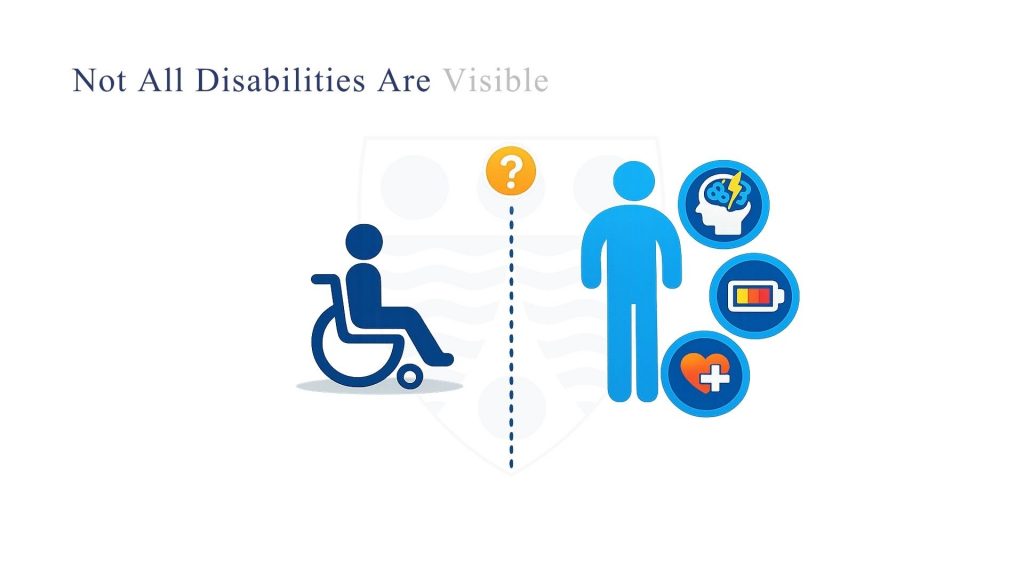
Some disabilities are physical and immediately noticeable, while others may relate to learning, mental health, chronic illness, neurodiversity, or temporary conditions. Invisible does not mean imaginary, and students may require support even when challenges are not outwardly visible.
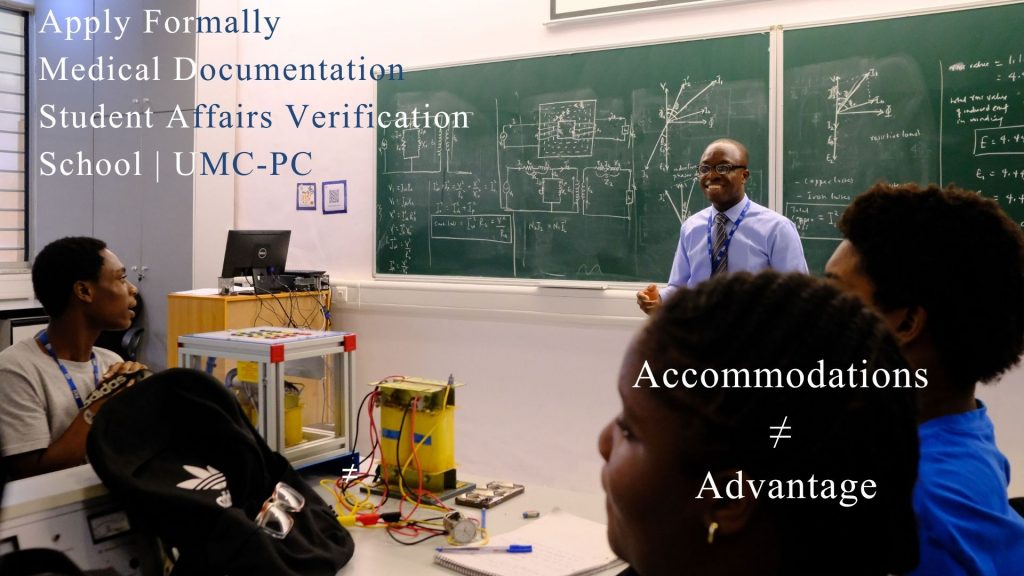
Reasonable accommodations are designed to provide equitable access—not preferential treatment. Requests are reviewed through formal processes that involve documentation, coordination with Student Affairs, and relevant academic or institutional units.
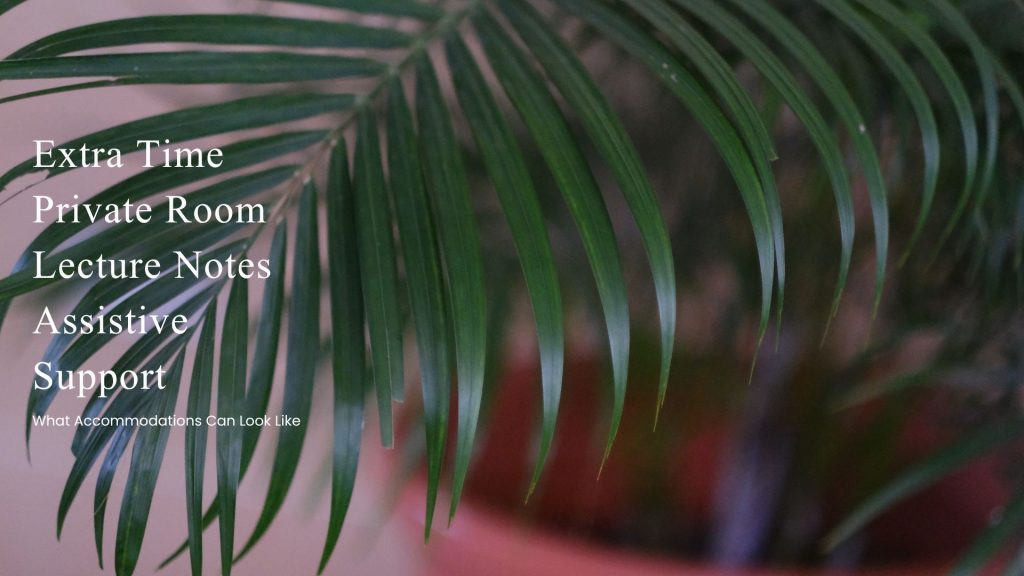
Accommodations may vary depending on individual needs and circumstances. These can include extended assessment time, lecture support materials, accessible learning environments, assistive support, or alternative arrangements that help students participate more effectively in academic life.
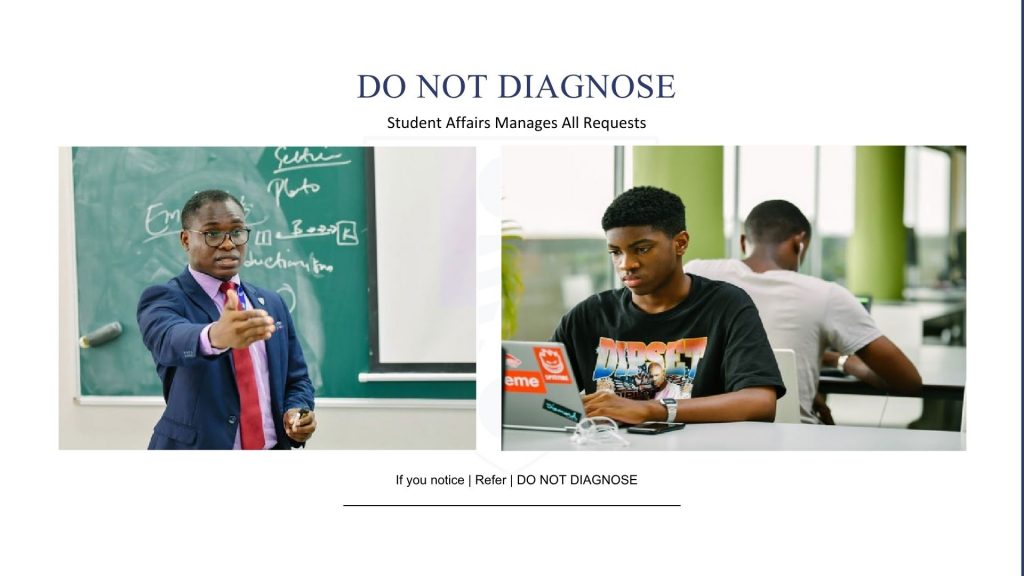
Faculty and staff play an important role in student support, but they are not expected to diagnose students. When concerns arise, the appropriate response is to listen, refer, and connect students with the appropriate support channels within Student Affairs and related services.
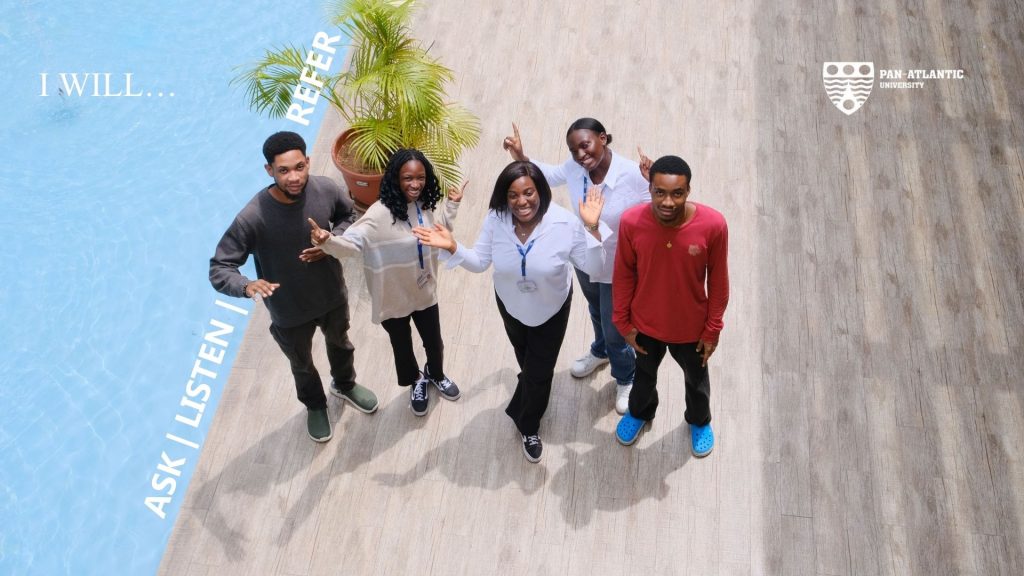
Creating an inclusive campus culture begins with everyday actions. Asking respectfully, listening intentionally, and referring appropriately can help foster a more supportive and accessible learning environment for everyone.
At PAU, accessibility and inclusion are ongoing commitments. Through continued learning, collaboration, and intentional action, the University is working toward building a campus where every member of the community feels seen, supported, and able to belong.
Amaka Onyenokwe serves within the Office of Gender, Equity, Diversity, and Inclusion (GEDI) in the Student Affairs Department at Pan-Atlantic University (PAU), where she leads and coordinates initiatives focused on accessibility, inclusion, student support, and equitable campus engagement.